
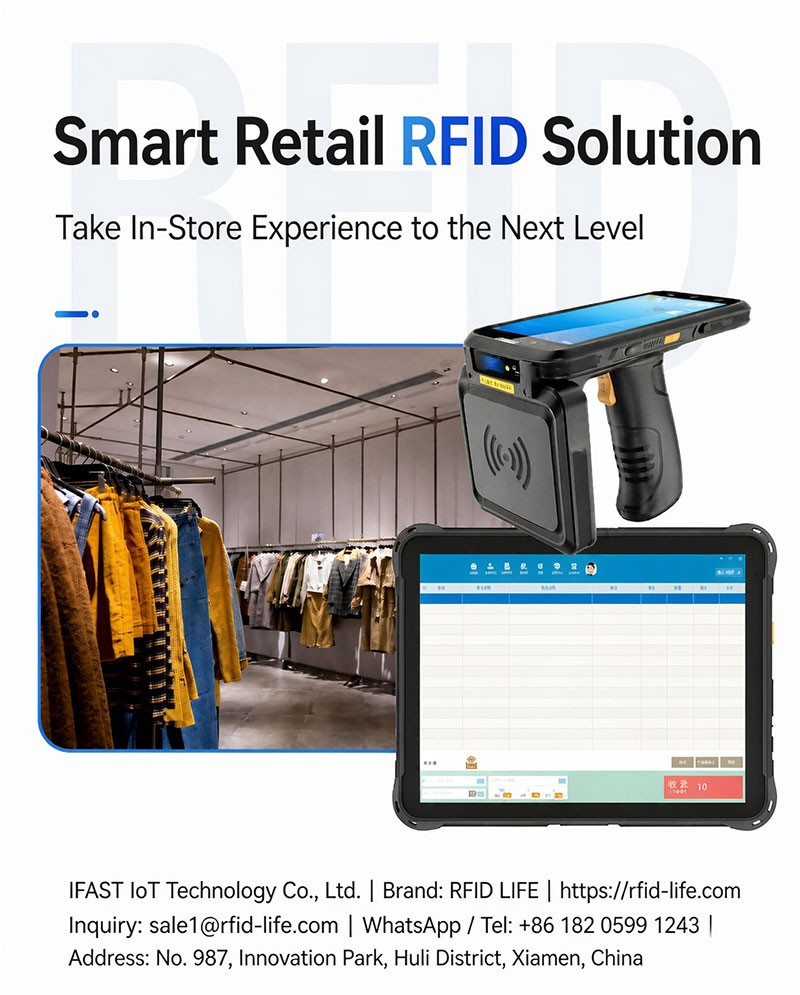
This solution combines RFID-enabled hang tags, handheld readers, fixed RFID gates, desktop readers and self-checkout terminals with POS and inventory management software. It covers the full cycle of apparel retail — from factory shipment and warehouse inbound/outbound to store receiving, self-checkout and smart inventory — and supports warehouse goods management and store merchandise inventory management.
Smart Retail RFID solution — Elevating the In-Store Experience to a New "Chip-Level" Height
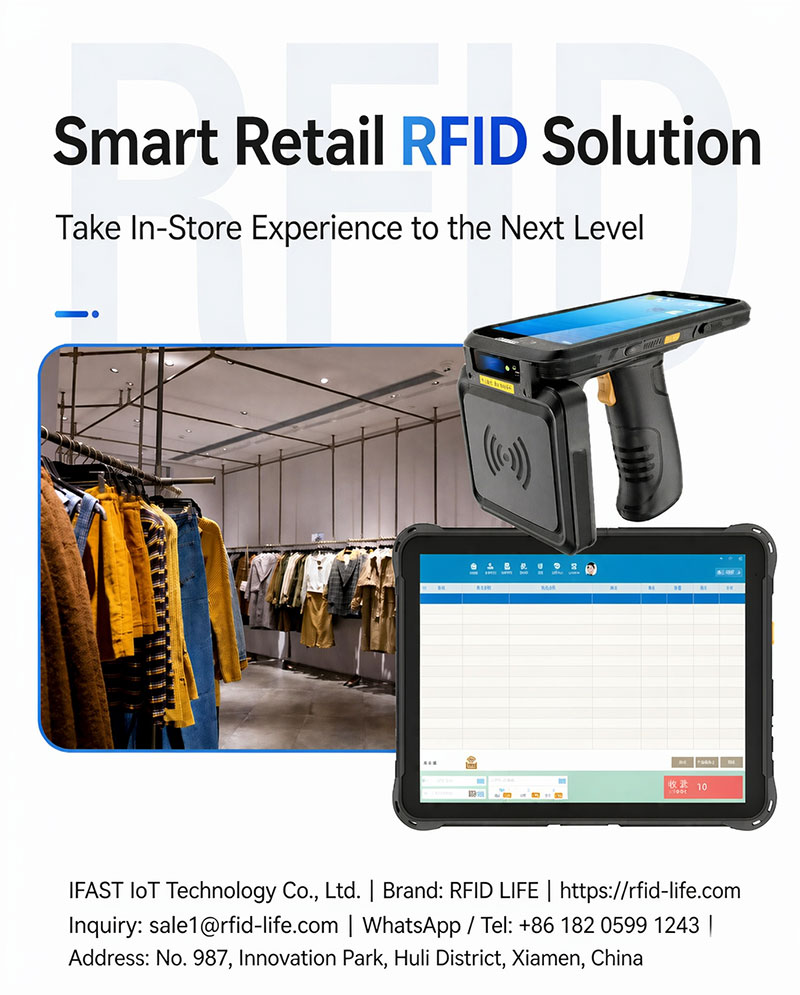
Figure 1. Smart Retail RFID Solution: handheld reader, self-checkout terminal and in-store operations
IFAST IoT Technology Co., Ltd.
Brand: RFID LIFE | https://rfid-life.com
Inquiry: sale1@rfid-life.com | WhatsApp / Tel: +86 182 0599 1243
Address: No. 987, Innovation Park, Huli District, Xiamen, China
This solution combines RFID-enabled hang tags, handheld readers, fixed RFID gates, desktop readers and self-checkout terminals with POS and inventory management software. It covers the full cycle of apparel retail — from factory shipment and warehouse inbound/outbound to store receiving, self-checkout and smart inventory — and supports warehouse goods management and store merchandise inventory management.
Note: Figures cited in this document (e.g. loss reduction, deployment time, store area) are the vendor's claims as shown in the source materials and are retained for faithful translation; they are not independently verified.
Apparel retailers typically face the following recurring operational challenges:
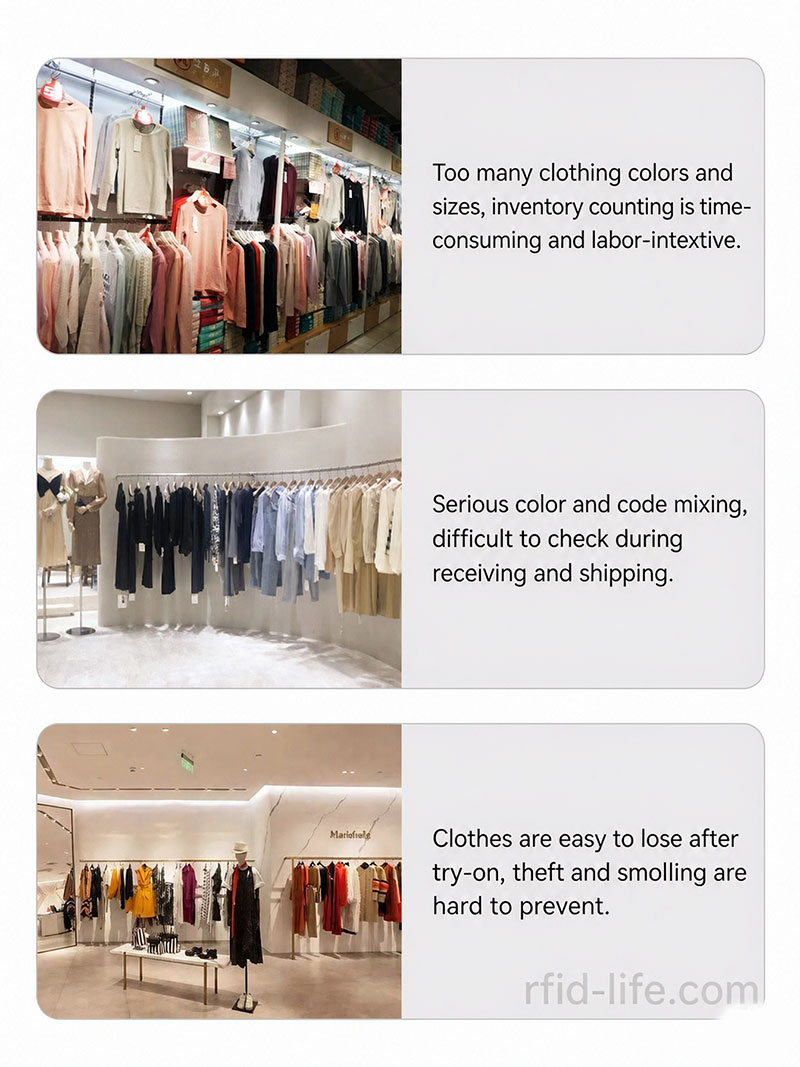
Figure 2. Typical pain points in apparel store operations
Challenge | Operational Impact |
Wide variety of colors and sizes | Inventory counting is time-consuming and labor-intensive. |
Serious color/size misplacement | Difficult to inspect and verify goods during inbound and outbound. |
Lost items after fitting-room try-ons | Shoplifting and concealed theft are hard to prevent. |
RFID (Radio Frequency Identification) is a radio-based identification technology. A metal strip (inlay) is embedded behind an ordinary label, and product information is written into the inlay while the label is printed — enabling one-item, one-code precise inventory management.
Step | Description |
1. Embed metal inlay | A metal inlay is embedded behind an ordinary label. |
2. Print label and write data | Product information is written into the inlay while the label is printed. |
3. Read product information | An RFID handheld reads the product data over the air. |
For the apparel industry, which often handles tens of thousands of SKUs, RFID can greatly improve operational efficiency: stock quantities can be counted in minutes with a reader, and, when paired with anti-theft gates, unpaid items can be accurately identified. Fast inventory and smart anti-theft are no longer difficult.
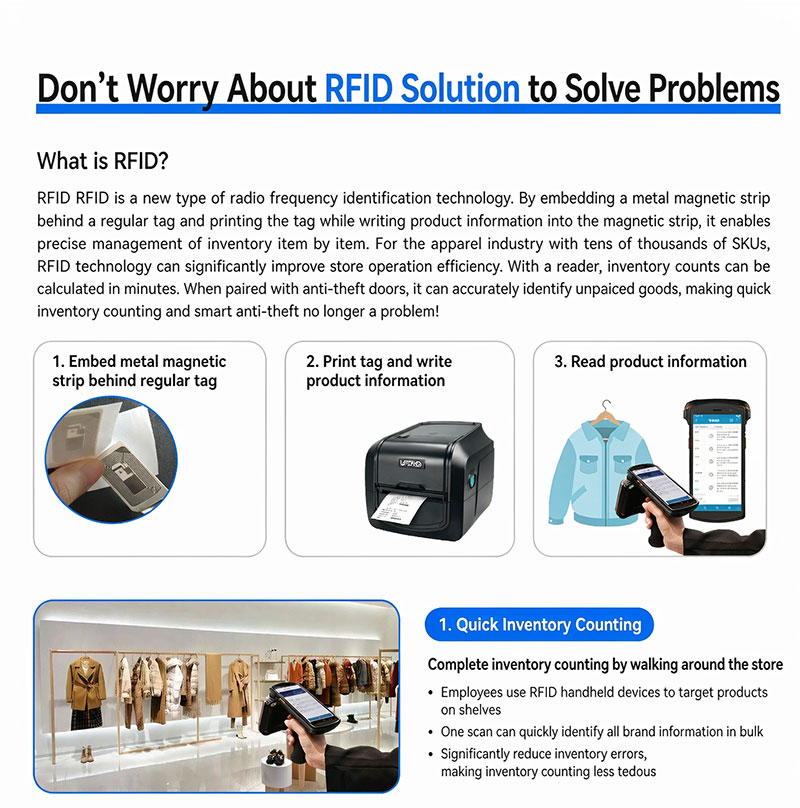
Figure 3. How RFID works: inlay embedding, label printing with data writing, and product information reading
The RFID system flexibly supports warehouse goods management and store merchandise inventory management. By embedding an RFID chip into the product hang tag, staff can track item location and stock status in real time across goods flow, inventory and checkout. This reduces the risk of loss or theft, improves the accuracy of goods交接 (handover), and prevents color and size mix-ups. It is also valuable for improving warehouse efficiency, feeding back product information and guiding production.
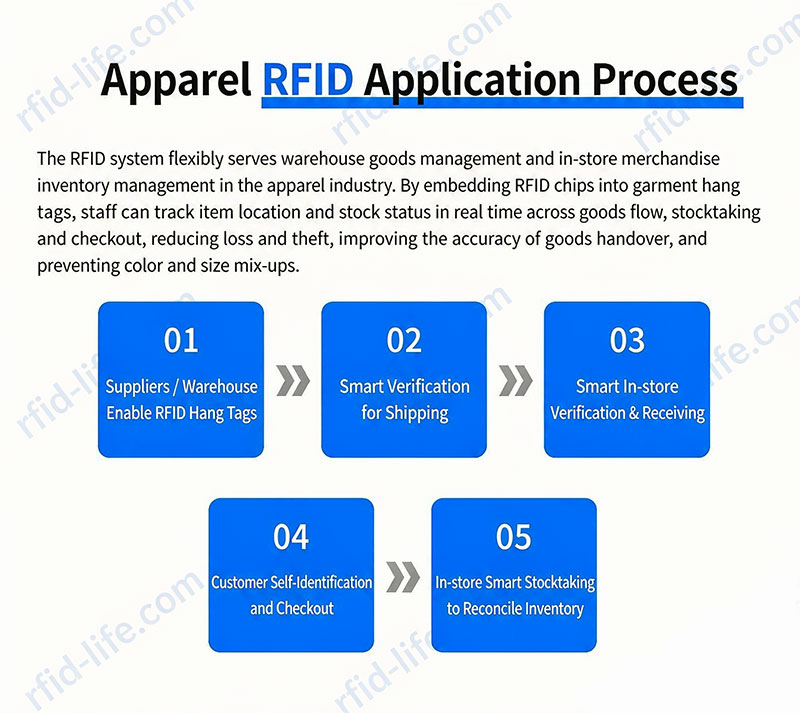
Figure 4. Apparel RFID application flow
Step | Action | Key Point |
01 | Supplier / warehouse enables the product hang tag | Assign a unique RFID identity to each item. |
02 | Intelligent verification and outbound shipment | Verify goods by RFID before dispatch. |
03 | Store intelligent verification and inbound | Verify received goods by RFID. |
04 | Customer self-identification and checkout | Automatic basket recognition at checkout. |
05 | Store smart counting and stock correction | Adjust system stock based on count results. |
A mature, intelligent and error-free solution consists of the following six hardware components:
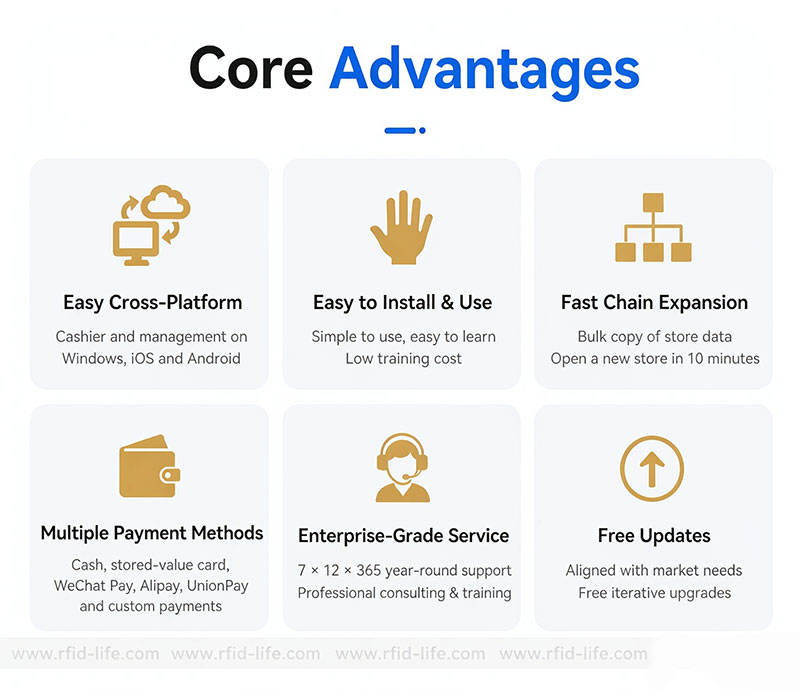
Figure 5. Six core hardware components of the RFID solution
Hardware | Role |
RFID Handheld Reader | Portable batch reading for counting, inbound/outbound verification and transfers. |
RFID Label Printer | Prints hang-tag labels and writes product data into RFID Inlays. |
RFID Label / Tag | One-item, one-code identification embedded in the product hang tag. |
RFID Gate (Portal) | Detects unpaid items at store exits and triggers alarms. |
RFID Reader / Writer | Desktop reader for verification, deactivation and stocktaking. |
Self-Checkout Terminal | Automatically recognizes items placed in the basket and processes payment. |
Regional note (vendor claim): free on-site installation and deployment is offered in the Pearl River Delta region. Please consult customer service for details and for other regions.
Step | Action | Key Point |
01 | Factory / supplier shipment | Shipment from factory or supplier. |
02 | Warehouse receiving | Warehouse receives the goods. |
03 | Print RFID labels by goods flow order | Labels are printed per order. |
04 | Tagging / hanging | Hang the RFID tag on the product. |
05 | RFID verification and inbound completion | Verify by RFID and complete inbound. |
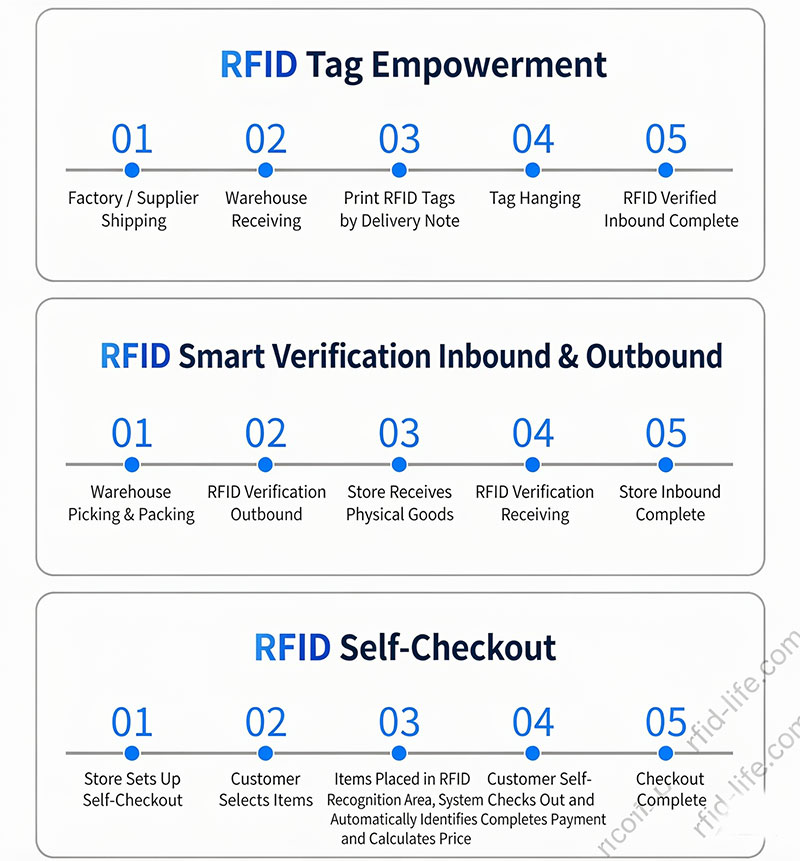
Figure 6. RFID hang-tag empowerment workflow
Step | Action | Key Point |
01 | Warehouse picking and packing | Pick goods in the warehouse and pack into cartons. |
02 | RFID verification outbound | Verify outbound goods by RFID. |
03 | Store receives the physical goods | Store takes delivery of the goods. |
04 | RFID verification receiving | Verify received goods by RFID. |
05 | Complete store inbound | Complete inbound at the store. |
Efficient inbound/outbound: a single handheld device can handle inbound and outbound goods and inter-store transfers; RFID batch sensing quickly records quantities and reduces manual entry errors.
Step | Action | Key Point |
01 | Set up self-checkout counters in store | Install self-checkout stations. |
02 | Customer selects products | Customer picks merchandise. |
03 | Place items in the RFID identification zone; the system automatically recognizes and prices them | Automatic basket recognition. |
04 | Customer self-payment and payment completion | Customer pays independently. |
05 | Checkout completed | Transaction finished. |
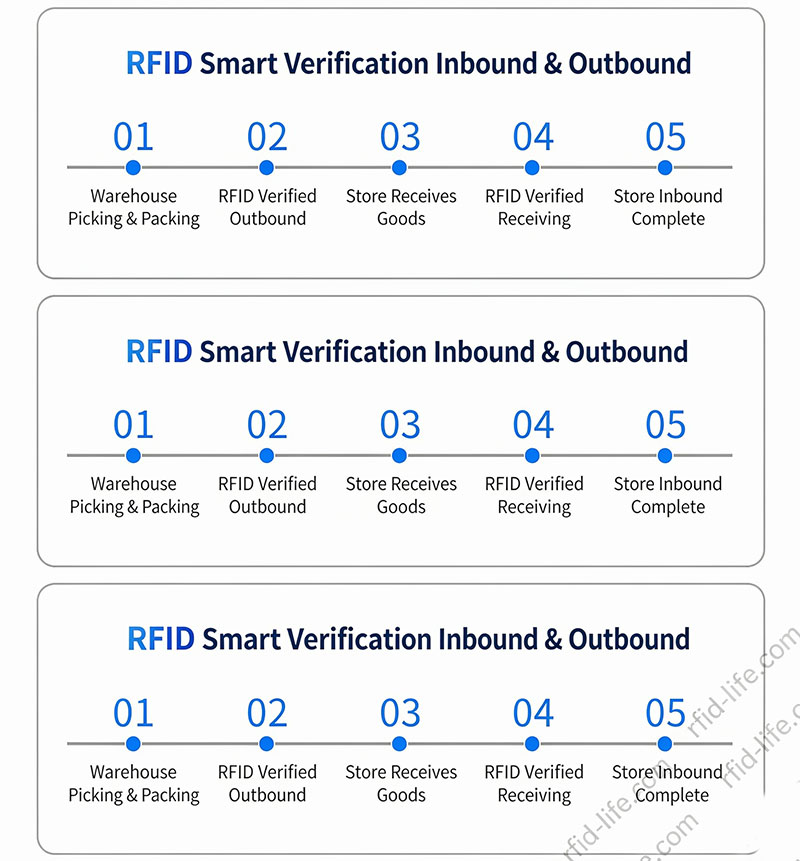
Figure 7. RFID intelligent verification inbound/outbound and self-checkout workflows
Quick verification of inbound and outbound quantities:
· • Only one handheld device is needed to easily handle inbound, outbound and inter-store transfers.
• The RFID handheld reads items in batches.
• Quantities are recorded quickly, reducing manual counting errors.
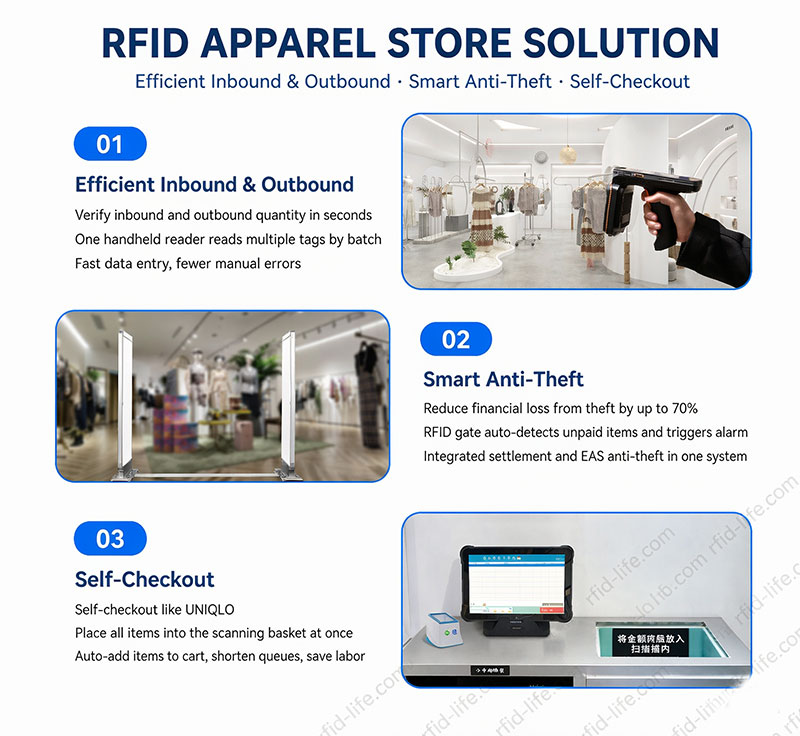
Figure 8. Efficient inbound/outbound with RFID handheld and fixed gates
Vendor claim: financial loss effectively reduced by up to 70%.
· • The RFID gate intelligently senses the settlement status of items.
• Unpaid items are automatically identified and trigger an alarm.
• Comprehensive protection of merchandise safety, integrating settlement and anti-theft.
Linked with the POS system, the anti-theft status of paid items is automatically released. This significantly reduces the merchandise shrinkage rate, protects store profit and reduces the cost of manual monitoring.
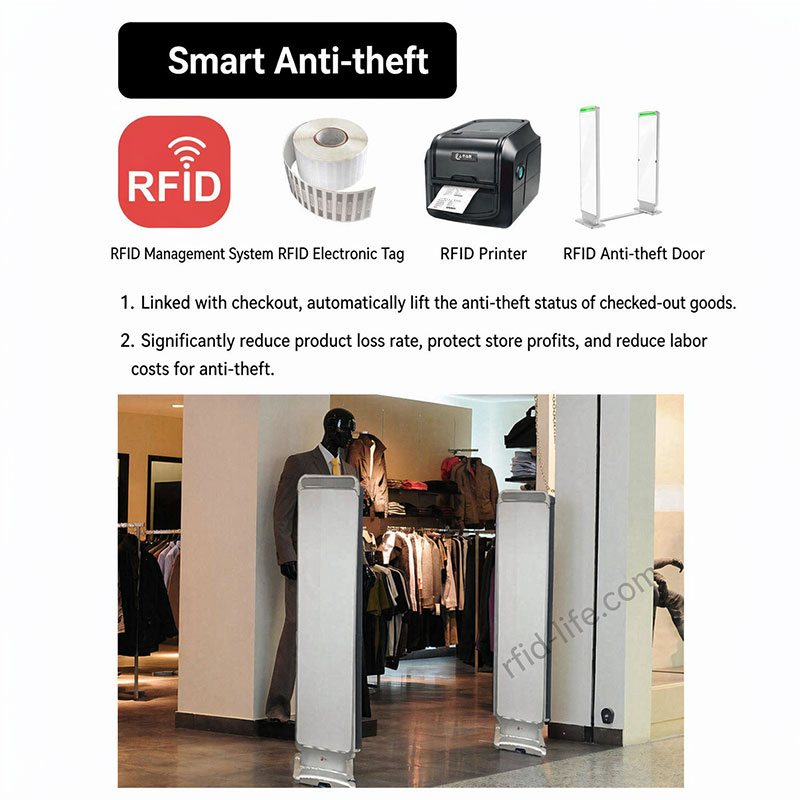
Figure 9. Smart anti-theft: RFID management system, electronic labels, printer and anti-theft gate
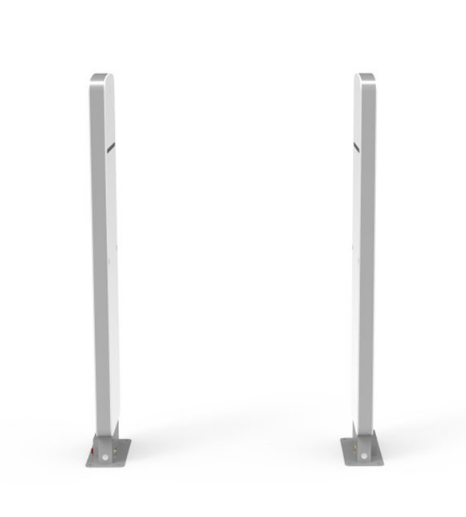
Figure 10. RFID gate automatically identifies unpaid items and triggers an alarm
Self-checkout comparable to UNIQLO-style checkout:
· • Customers only need to place items into the recognition basket.
• The system automatically adds all items to the shopping cart.
• Labor cost is saved, queuing is reduced and the customer experience is improved.
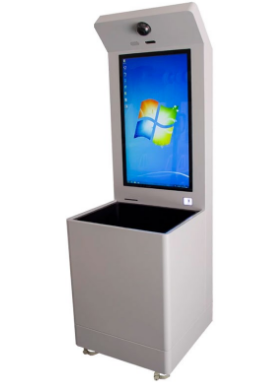
Figure 11. Self-checkout terminal: place all items into the scanning basket
Step | Action | Key Point |
01 | Store creates a counting plan | Define the scope and schedule of the count. |
02 | Select the RFID counting mode | Choose RFID-based counting. |
03 | Count inventory with an RFID-capable PDA | Batch-read items on shelves. |
04 | Verify counting data | Reconcile the reading results. |
05 | Complete counting based on verification results | Adjust stock and finalize. |
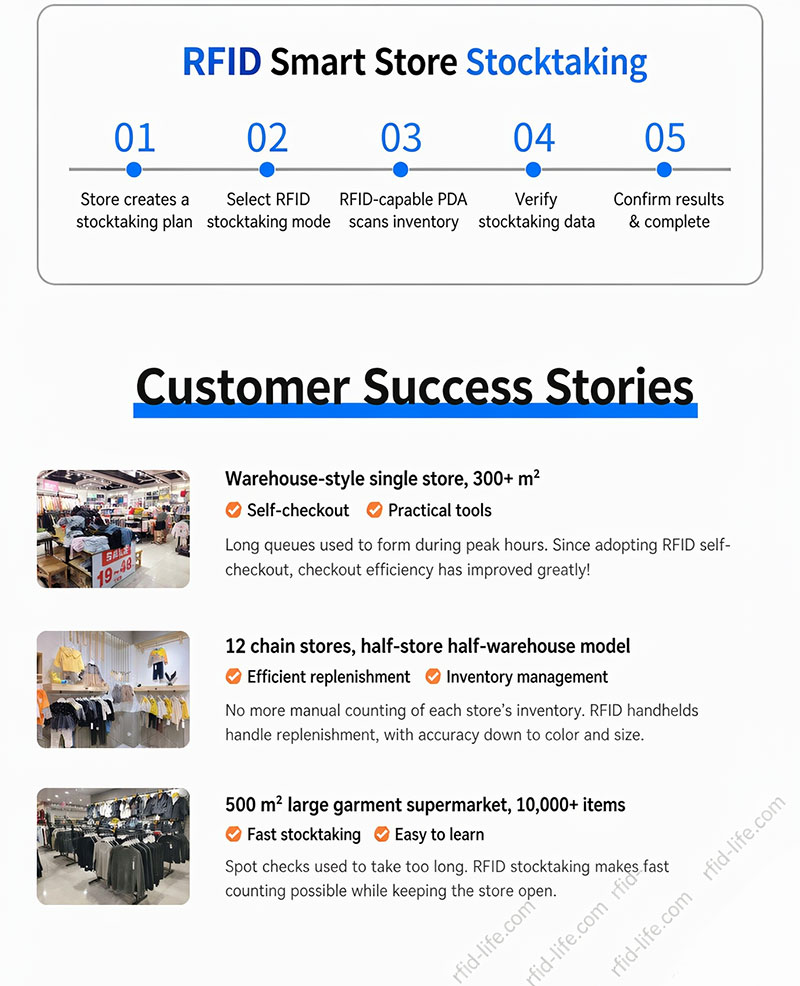
Figure 12. Store smart counting process
A full store count can be completed with one walk around the store:
· • Staff point the RFID handheld at items on the shelf.
• One scan batch-recognizes all hang-tag information.
• Counting errors are greatly reduced, making counting no longer cumbersome.
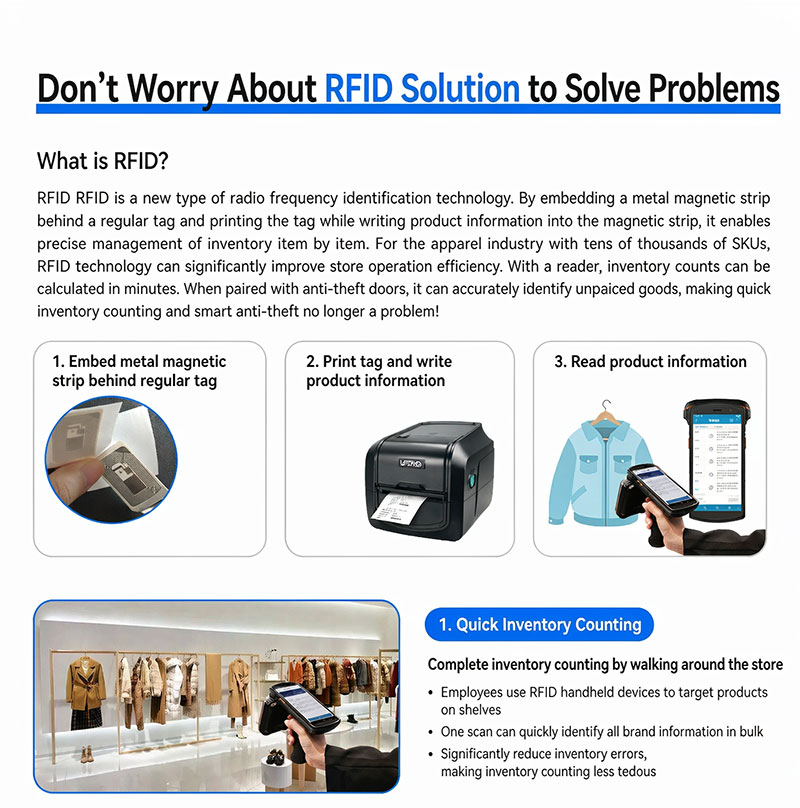
Figure 13. Fast counting: one walk around the store completes the inventory
The following cases are presented as customer feedback by the vendor.
Customer ProFile | Scenarios / Benefits | Feedback |
Warehouse-style single store, 300 m²+ | Self-checkout; practical Tools | "We used to have serious queuing during peak hours. Since adopting RFID self-checkout, checkout efficiency has improved greatly!" |
12 chain stores, semi-store semi-warehouse model | Efficient transfer; inventory management | "We no longer need to manually verify sub-store stock one by one. Using the RFID handheld for transfers, inventory is managed down to the color and size of every item!" |
500 m² large apparel supermarket, tens of thousands of items in stock | Fast counting; easy to learn | "Spot checks used to take a long time. With the RFID counting feature, fast counting becomes possible — counting and business operations no longer conflict!" |
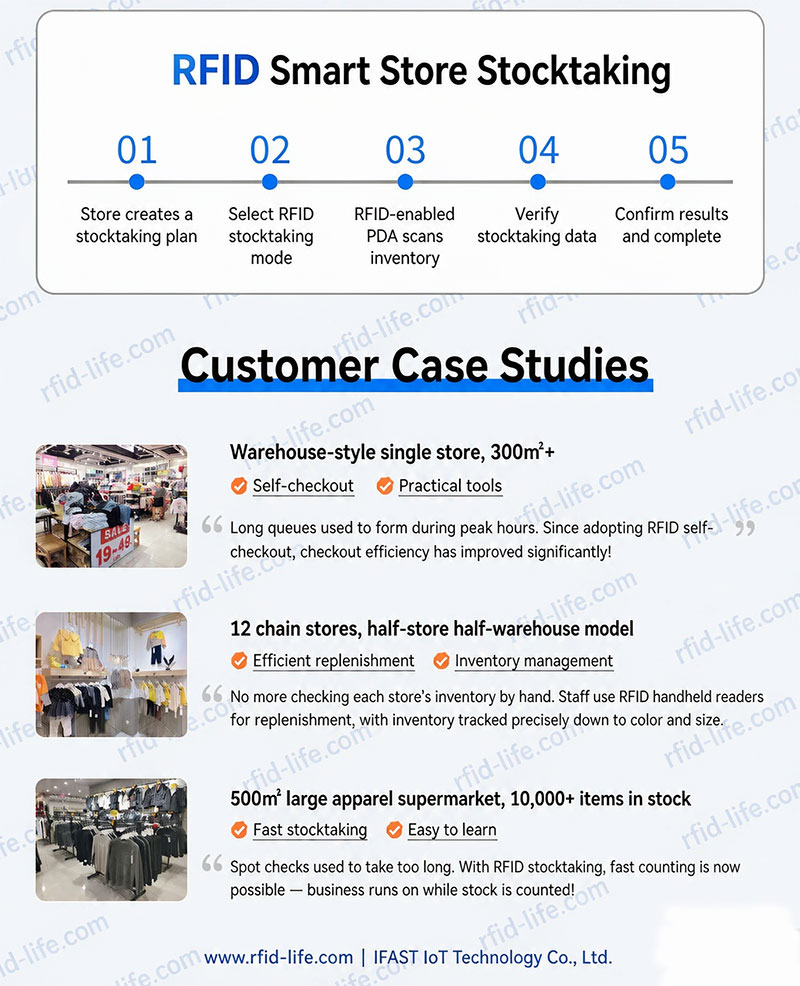
Figure 14. Service case studies and real customer feedback
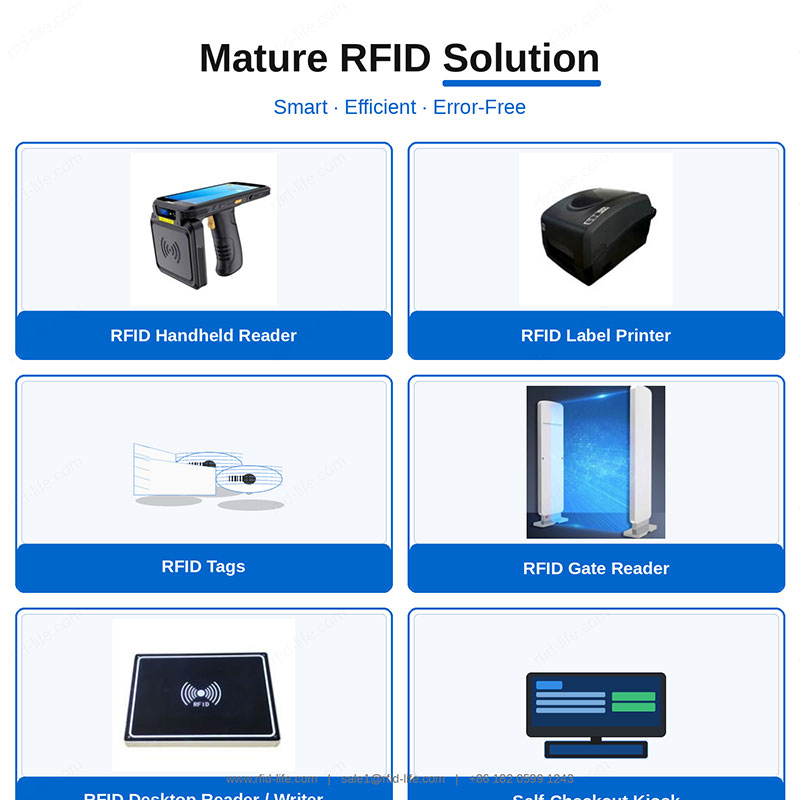
Figure 15. Core advantages of the solution
Advantage | Description |
Easy cross-platform support | POS and management are supported simultaneously on Windows, iOS and Android. |
Easy installation and quick onboarding | Simple to use, easy to learn, with low training cost. |
Fast chain-store expansion | Store data can be batch-copied; a new store can be deployed in 10 minutes. |
Multiple payment methods supported | Cash, stored-value card, WeChat, Alipay, UnionPay and other custom payments. |
Enterprise-grade after-sales service | 7 × 12 × 365 (year-round) professional consulting and training. |
Free updates from time to time | Free iterative updates aligned with market needs. |
Note on service hours: the source material states "7 × 12 × 365" for after-sales service; this differs from a 24/7 model and should be confirmed with the vendor.
Contact: Adam
Phone: +86 18205991243
E-mail: sale1@rfid-life.com
Add: No.987,Innovation Park,Huli District,Xiamen,China


 Adam