
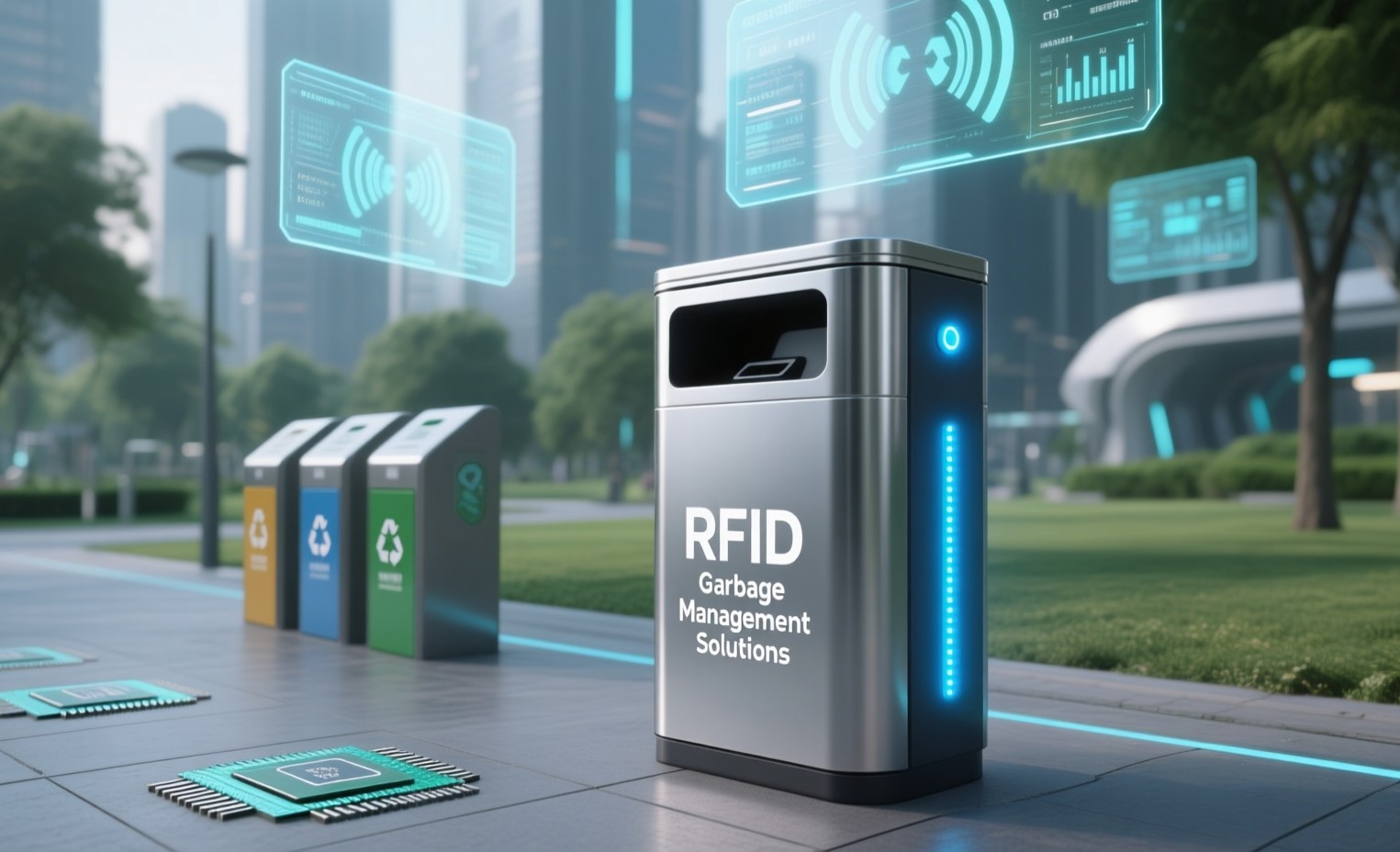
From Source to End: How RFID Technology is Reshaping the Landscape of Smart Waste and Waste Management
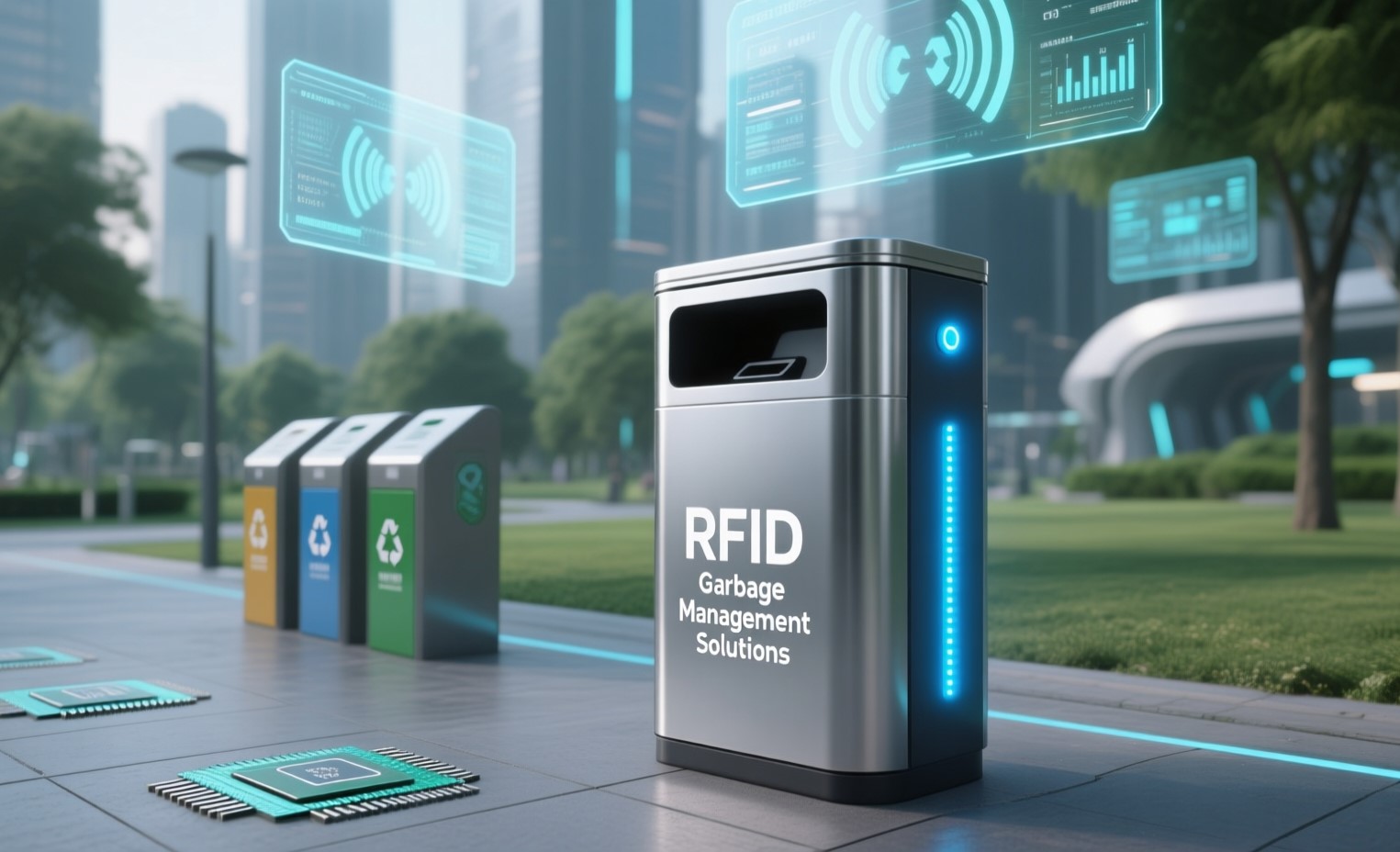
With rapid urbanization and the growing awareness of sustainable development, the amount of urban solid waste generated globally is increasing at an alarming rate. UN data shows that approximately 2.1 to 2.3 billion tons of urban solid waste are generated globally each year, and this figure is projected to reach 3.8 billion tons by 2050. Faced with such immense pressure to manage waste, the traditional sanitation system, relying on manual experience and extensive management, is no longer sustainable. The intervention of Radio Frequency Identification (RFID) technology is bringing about a profound transformation in the waste management industry, shifting from "passive cleaning" to "proactive intelligent management."
## I. The Core Logic of RFID-Enabled Waste Management: Giving Waste a "Digital Identity"
The core application of RFID technology in waste management lies in giving each trash can, trash bag, and even recyclable item a unique "electronic ID Card." By embedding or fixing weather-resistant RFID tags to trash cans, and combining this with readers installed on garbage trucks, fixed monitoring points, and a back-end management system, **full-process digital tracking** of waste from generation, collection, transportation to disposal can be achieved.
To address the harsh environments commonly encountered at waste disposal sites, such as **dampness, dirt, metallic interference, and mechanical impacts**, modern RFID systems typically employ low-frequency (LF, such as 134kHz) or ultra-high-frequency (UHF) industrial-grade passive tags. These tags require no batteries, retain data for over 10 years, and operate stably under extreme conditions.
## II. Key Application Scenarios: From Community Sorting to Business Compliance
RFID smart waste management solutions have penetrated multiple specific scenarios, significantly improving operational efficiency in various fields.
### 1. Smart Communities and Municipal Waste Sorting and Collection
In residential communities, RFID technology effectively solves the pain points of traditional collection methods, namely, "not knowing when overflowing" and "difficulty in verifying whether collection has occurred."
- **On-Demand Collection and Overflow Alarm**: Integrating RFID tags and overflow sensors into trash cans, the system automatically sends an alarm to the backend when the amount of waste reaches a set threshold. The dispatch center can then intelligently plan the optimal collection route, guiding vehicles to prioritize emptying overflow points and preventing odor spread and insect breeding caused by accumulated waste.
- **Collection Supervision and Check-in:** RFID Readers installed on garbage trucks are linked to GPS. Upon arrival at the designated garbage collection point, vehicles must scan the garbage bin tags to complete "electronic check-in," uploading collection time and trajectory in real time. This eliminates illegal dumping and ensures no blind spots in community environmental management.
### 2. Precise Implementation of the "Pay-as-you-go" Model To promote waste reduction, many countries and regions are promoting the "pay-as-you-go" model. RFID is the most precise technological means to achieve this model.
- **Case Study:** In Aschaffenburg County, Germany, after introducing an RFID-based pay-as-you-go system, the per capita residual waste volume decreased significantly from 163 kg/year in 1997 to 55 kg/year in 2013, while the recycling rate soared to over 86%. The key to its success lies in precisely linking each household's waste output to collection services through RFID tags on garbage bins, achieving truly fair pricing and strong incentives for waste reduction.
### 3. Compliance Tracking in the Commercial and Industrial Sector
RFID solutions are helping organizations such as businesses, Hospitals, and schools cope with increasingly stringent environmental regulations.
- **Food and Organic Waste**: UK technology company Limetrack has developed IoT waste bins integrating RFID Access Control and precision scales. The system identifies users via RFID, automatically records the weight and classification of each waste disposal, and uploads the data directly to a cloud platform. This not only meets government compliance requirements for food waste recycling but also provides data support for optimizing logistics routes and helps businesses identify waste patterns.
- **Medical and Chemical Waste Safety**: Equipping medical and chemical waste containers with anti-metal RFID tags, combined with GPS positioning, allows for real-time monitoring of hazardous waste transport routes, ensuring safe disposal under specific regulatory conditions and preventing illegal dumping.
### 4. Circular Economy and Refined Management of Recyclables
RFID technology is reshaping the value chain of recyclables, making "turning waste into treasure" more efficient.
- **Packaging and Deposit Refund:** Embedding UHF RFID tags on recyclable materials such as plastic and glass bottles records material type and manufacturer information. Combined with a deposit refund mechanism, RFID enables quick and accurate item identification, simplifying the recycling process and improving the user experience. International Retail Point of Interest Solutions has deployed RFID recyclable packaging solutions in McDonald's France Stores, achieving precise traceability throughout the product's lifecycle.
- **Recycling Sorting Line Optimization:** In large-scale resource recycling plants, RFID systems can be used to track the flow of waste bales or containers on conveyor belts. By identifying tag information, sorting lines can more accurately classify materials of different materials (such as PET, HDPE, and paper), improving the purity and economic value of recycled resources.
| Application Scenarios | Main Functions | Core Value |
| :--- | :--- | :--- |
| **Smart Community Waste Collection** | Overflow alarm, route optimization, electronic check-in | Reduce odor pollution, prevent leakage, and lower management costs |
| **Pay-as-you-go** | Bind household information, record collection frequency/weight | Achieve fair pricing, incentivize waste reduction, and improve recycling rates |
| **Business Compliance Tracking** | User identification, automatic weighing, classification recording | Meet environmental compliance requirements, identify waste patterns, and optimize logistics |
| **Circular Economy Management** | Deposit refund identification, recycling sorting line tracking | Improve recycling efficiency, increase the value of recyclable resources, and achieve zero waste goals |
## III. Technology Selection and System Architecture
When building an RFID waste management system, a suitable technology architecture must be selected based on environmental characteristics:
1. **Tag Selection**:
- **anti-metal tags**: Used for scenarios with metal trash cans or frequent contact with metal vehicle bodies.
- **High Temperature/Waterproof Tags:** Suitable for food waste disposal or harsh outdoor weather conditions.
2. **Read/Write Methods:**
- **Fixed Read/Write:** Installed on the rear bin or lifting mechanism of garbage trucks, automatically reading tag information the moment the bin is tipped over, achieving "zero-sensory" data collection.
- **Handheld Terminals:** Used for warehouse inventory, on-site inspections, or temporary data collection.
- **BLE Hybrid Mode:** In scenarios requiring large-area monitoring (such as large campuses or industrial parks), BLE beacons can be used for area-level positioning, complementing the precise identification of RFID.
3. **Data Platform:**
The backend platform connects RFID hardware to enterprise resource planning systems or sanitation management systems via middleware. The platform is responsible for filtering duplicate data, integrating GPS tracks, generating collection reports, and providing managers with real-time decision-making support through a visual dashboard.
## IV. Comprehensive Benefits and Future Prospects
The application of RFID technology brings significant comprehensive benefits to the waste management system:
- **Operational Level:** Reduces manual verification, optimizes vehicle routes, and lowers fuel and labor costs.
- **Environmental Aspect:** Through precise measurement and data analysis, effectively improve community participation in waste sorting and resource recycling rates, reducing environmental pollution.
- **Social Aspect:** Enhance residents' living comfort and establish a transparent trust system between the government and service agencies.
Looking to the future, with the integration of IoT and AI technologies, RFID waste management systems will demonstrate even greater potential. Combined with big data analytics, the system can not only record the current situation but also **predict waste generation patterns in specific areas**, thereby achieving more dynamic and proactive resource allocation. RFID is no longer just a simple identification Tool, but a digital bridge connecting waste to a sustainable future.
Contact: Adam
Phone: +86 18205991243
E-mail: sale1@rfid-life.com
Add: No.987,Innovation Park,Huli District,Xiamen,China
 Adam
Adam